The best subwoofers for apartments
Apartment bass is a different problem. The frequencies a subwoofer produces travel through structure — floors, joists, party walls — far more readily than the rest of the music, which is why your neighbour hears your sub but not your speakers. The goal is a sub with controlled, adjustable low-end that you can enjoy at moderate levels, decoupled from the floor.
Every pick here is sealed or compact, offers fine-grained level control (ideally with an app), and pairs well with an isolation platform. Just as important: the picks avoid the sub-25 Hz region monsters that pressurise the whole building whether you want to or not.
Best apartment subwoofer overall
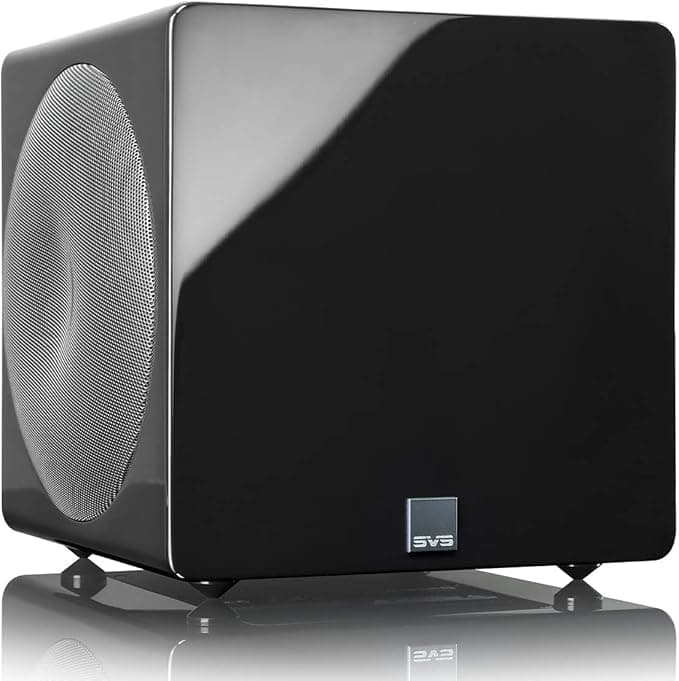
SVS 3000 Micro
8″ sealed · 800 W RMS · down to ~23 Hz · ~$700
The dual opposed drivers cancel the cabinet vibration that normally transmits into floors, and the app gives you a one-tap night-mode-style level cut. It's the closest thing to apartment-proof deep bass.
Best for music in small flats
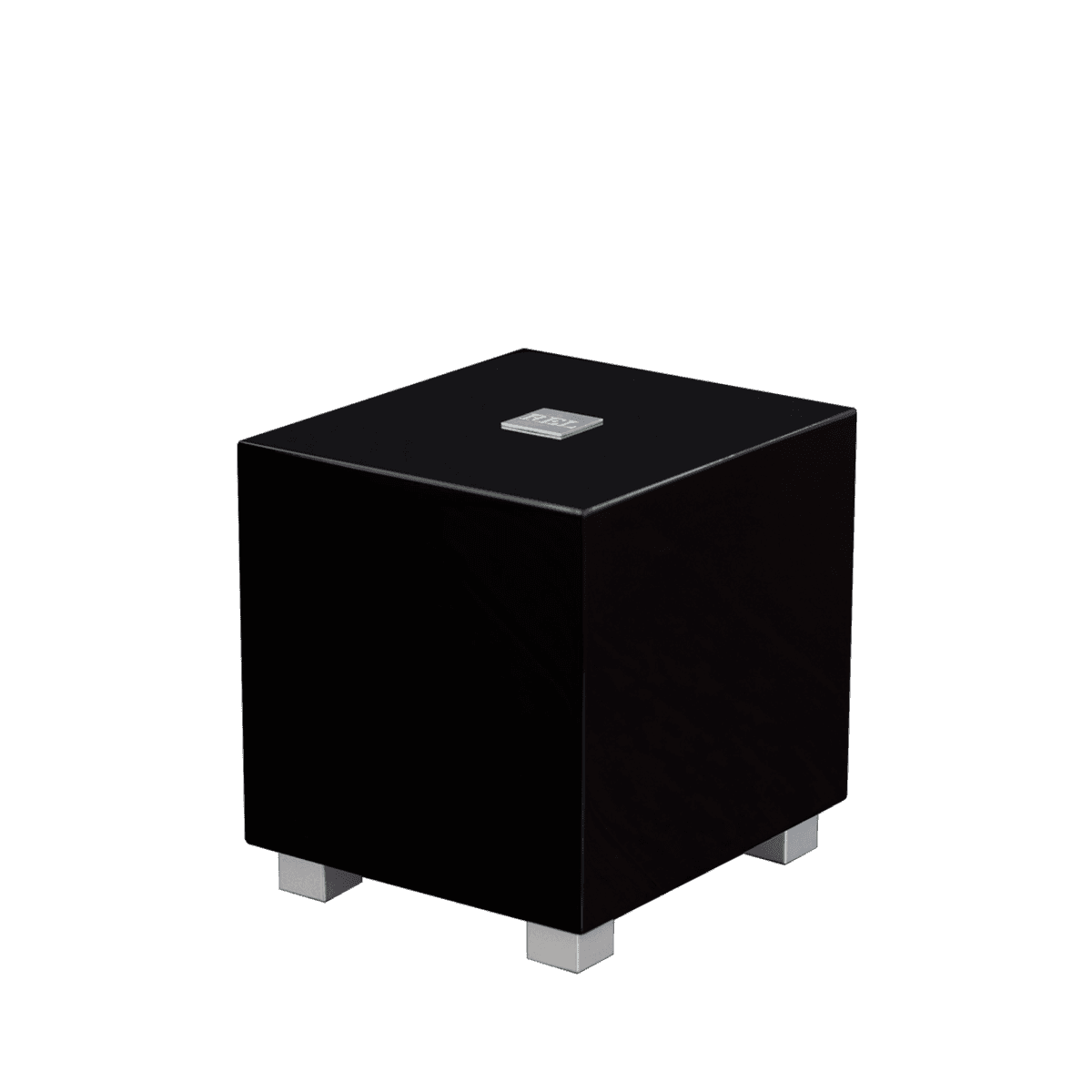
REL T/Zero MKIII
6.5″ sealed · 100 W RMS · down to ~37 Hz · ~$599
Fast, tuneful, and deliberately modest below 35 Hz — which in an apartment is a feature. Blends beautifully with bookshelf speakers via REL's high-level connection.
Best for movie nights
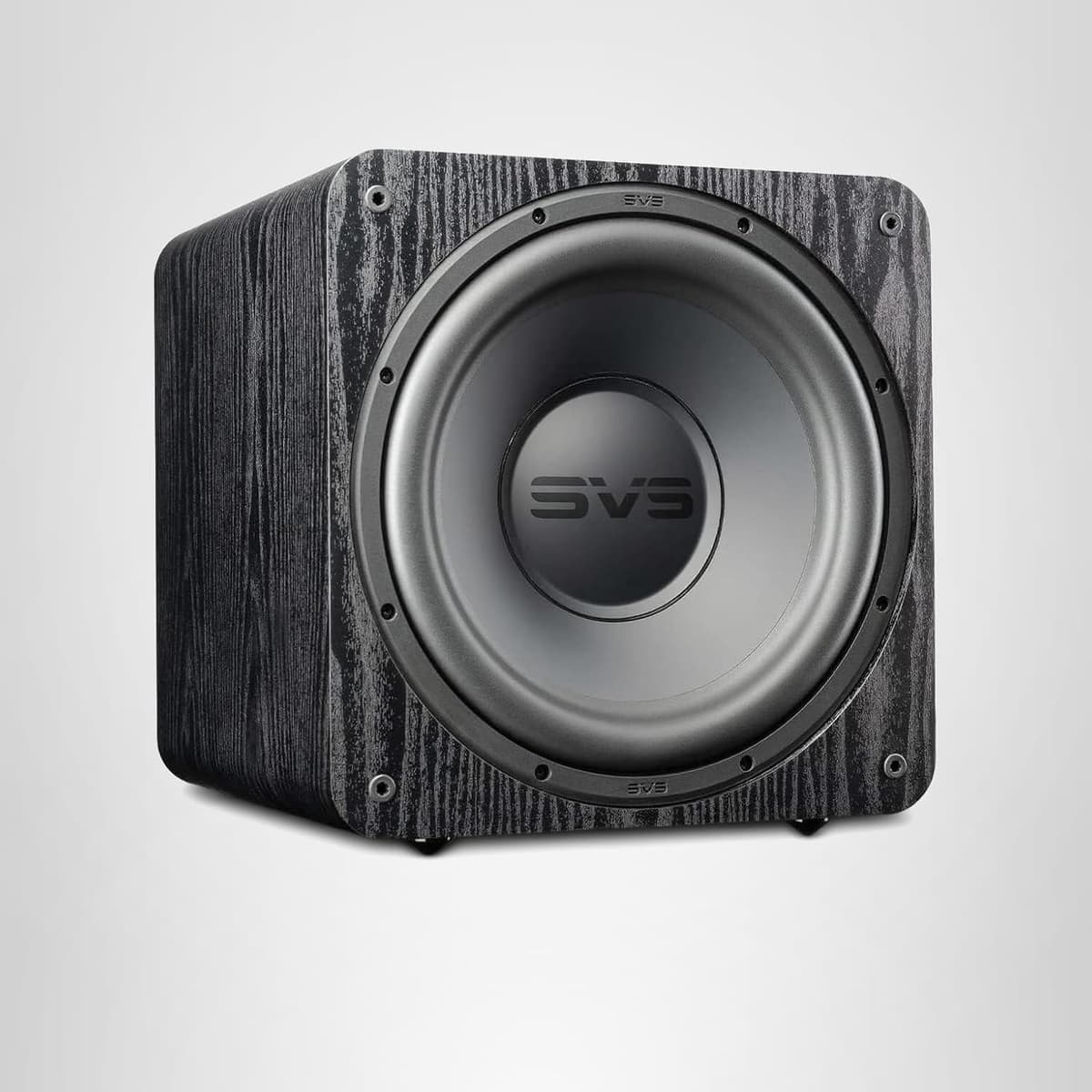
SVS SB-1000 Pro
12″ sealed · 325 W RMS · down to ~20 Hz · ~$600
When you do want real home-theater depth, a sealed 12 with DSP lets you dial extension and output down to neighbourly levels after hours — something a ported budget sub can't do gracefully.
Budget pick
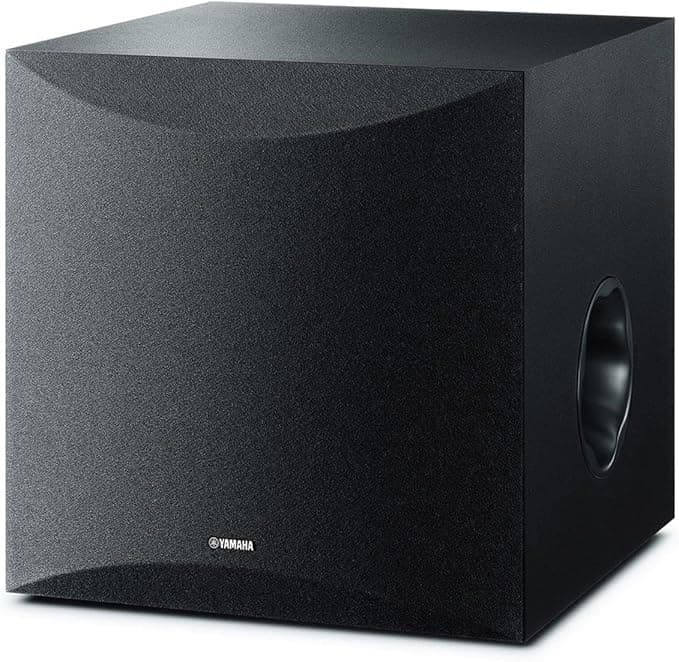
Yamaha NS-SW100
10″ ported · 50 W RMS · down to ~25 Hz · ~$230
Modest output is apartment-appropriate output. Add a foam or spring isolation pad with the money saved and it punches well above its price without punching through the floor.
Best for soundbar setups
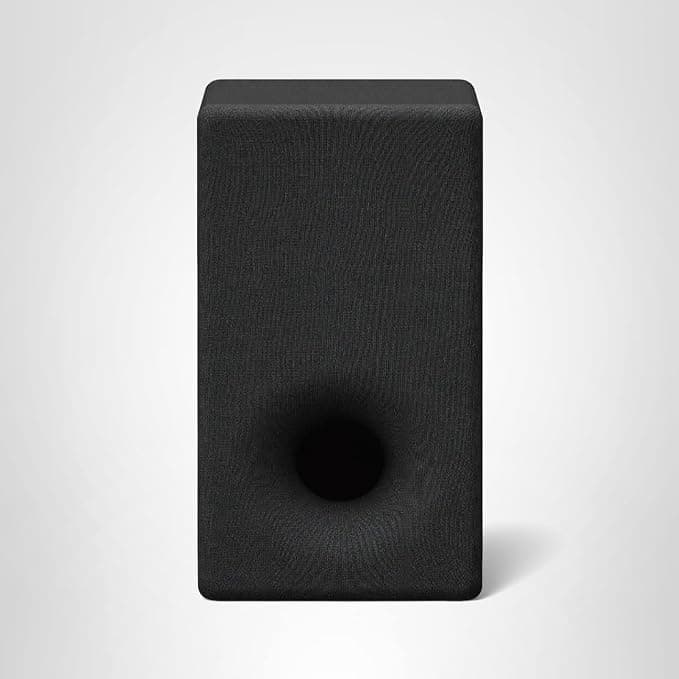
Sony SA-SW3
6.3″ ported · 200 W RMS · down to ~40 Hz · ~$400
If your apartment system is a Sony HT-A soundbar, this adds warmth and body at levels that stay inside your four walls, with easy volume control from the TV interface.
What actually prevents neighbour complaints
Decouple the sub from the floor
An isolation platform (foam or spring type) is the highest-value accessory in this list — it cuts structure-borne transmission dramatically and often tightens the sound in the process.
Sealed beats ported for shared walls
Sealed subs roll off gently below their tuning instead of dumping full output into the 20–30 Hz region that travels through buildings most efficiently.
Position away from the party wall
Placing the sub near the wall you share amplifies exactly what you're trying to avoid. Pull it toward interior walls and use the crawl method from the placement guide.
App control earns its money at 10 pm
Being able to drop the sub 6 dB from your phone — without touching the crossover balance — is the difference between using the sub at night and switching it off.
Frequently asked questions
Can I use a subwoofer in an apartment at all?
Yes — at reasonable levels, with a sealed or vibration-cancelling design, an isolation pad, and placement away from shared walls, a subwoofer is entirely apartment-viable. What causes complaints is high playback levels, floor coupling, and deep sub-30 Hz content late at night.
Do bass traps or rugs stop the neighbours hearing my sub?
Not meaningfully. Neighbours hear structure-borne vibration, not airborne sound leaking through the wall. Decoupling the cabinet from the floor with an isolation platform addresses the actual transmission path.
Is a soundbar bass module quieter for neighbours than a real sub?
Only because it plays less deep and less loud. A good standalone sub with the level trimmed down sounds better and is just as neighbour-safe — the pad and placement matter more than the box type.