The best subwoofers for music
A music subwoofer has a different job to a theatre one. Instead of maximum depth and slam, it must blend — matching the speed and character of your main speakers so closely that you stop noticing where they end and it begins. The best compliment a music sub gets is that the system just sounds bigger.
That's why this list leans sealed, values cabinet quality and driver control over raw wattage, and includes REL's high-level connection approach, which taps the same signal your speakers receive for a near-perfect tonal match.
Best subwoofer for music overall
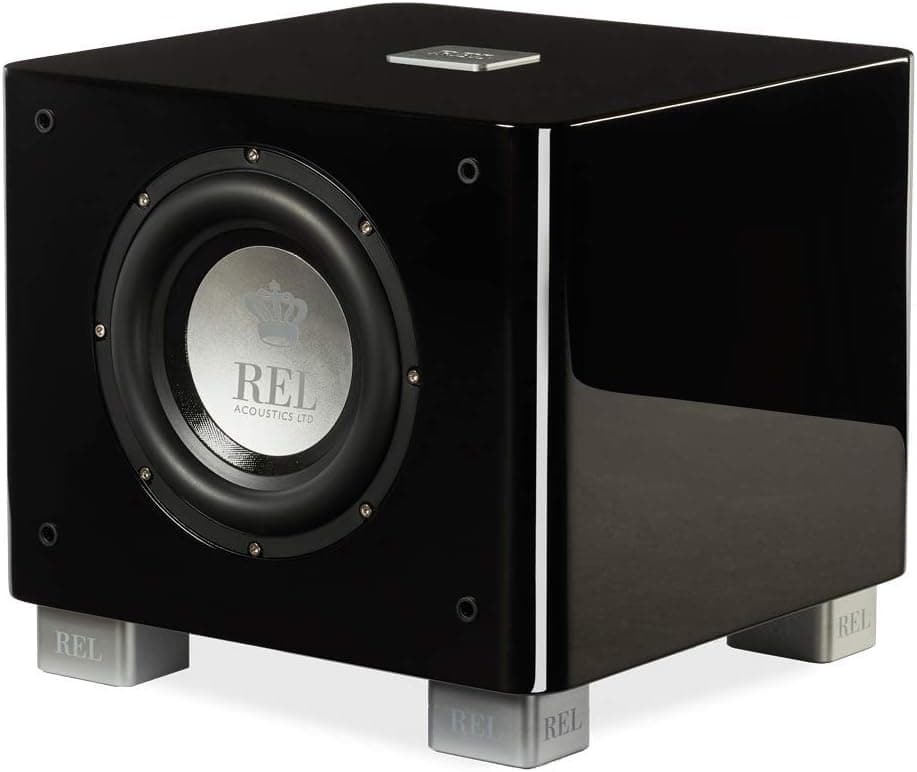
REL T/7x
8″ passive-radiator · 200 W RMS · down to ~30 Hz · ~$1299
The T/7x is built around blending: high-level connection from your amplifier's speaker terminals, a fast 8-inch driver, and tuning that prioritises timing over depth. With bookshelf or small tower speakers the integration is seamless.
Best value for music
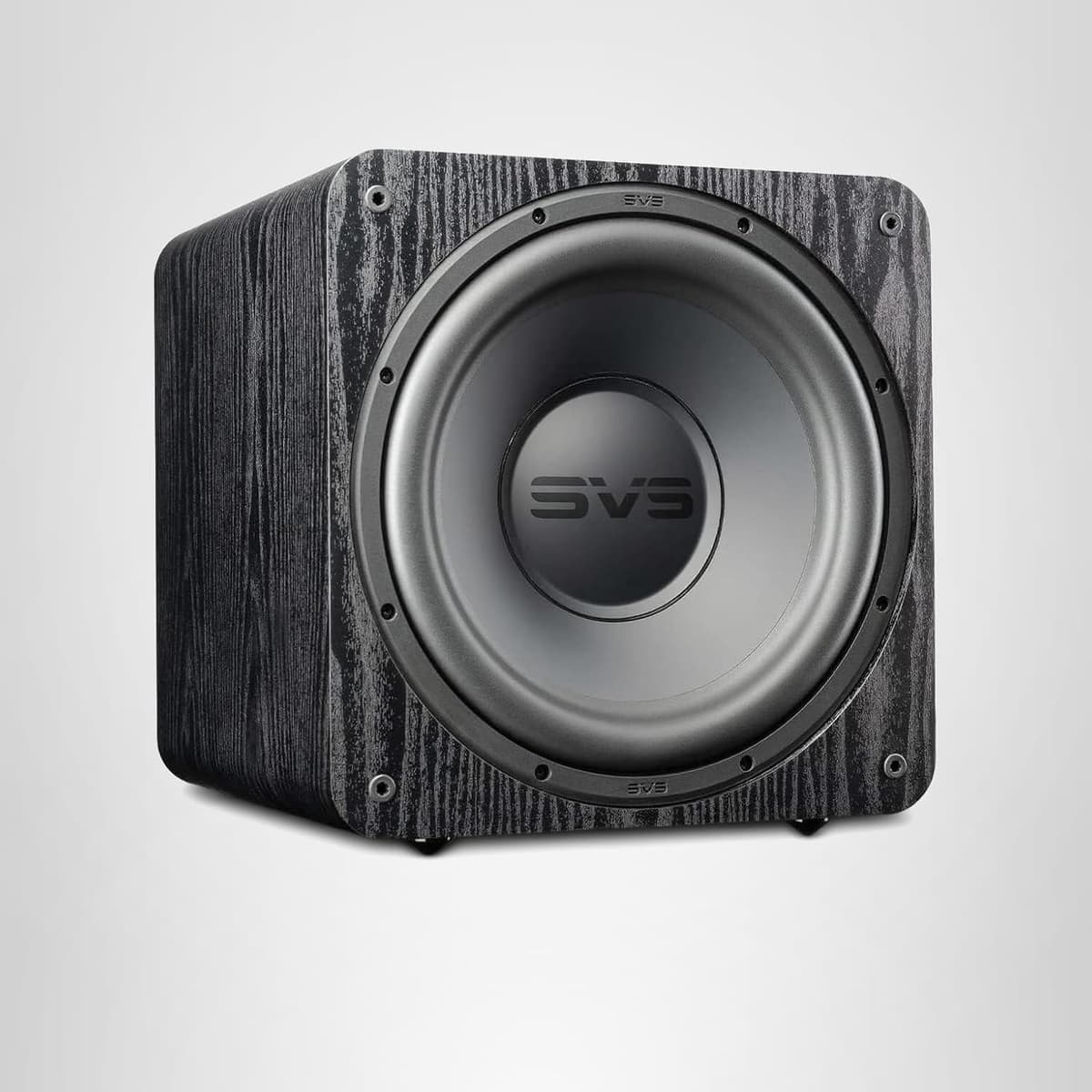
SVS SB-1000 Pro
12″ sealed · 325 W RMS · down to ~20 Hz · ~$600
Sealed, quick, and deeper-reaching than the REL for less money — with DSP that lets you shape the response to your room. Less romantic, more measurable; either philosophy works.
Best premium pick
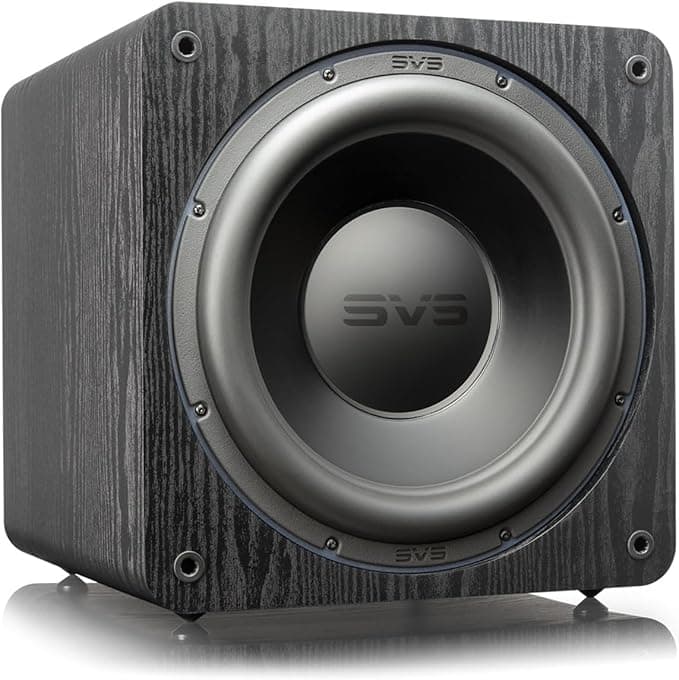
SVS SB-3000
13″ sealed · 800 W RMS · down to ~18 Hz · ~$1000
For larger rooms or fuller-range towers, the SB-3000 adds effortless depth while keeping sealed-box control. It's as happy with an orchestral swell as a synth bassline.
Best for desks and small systems
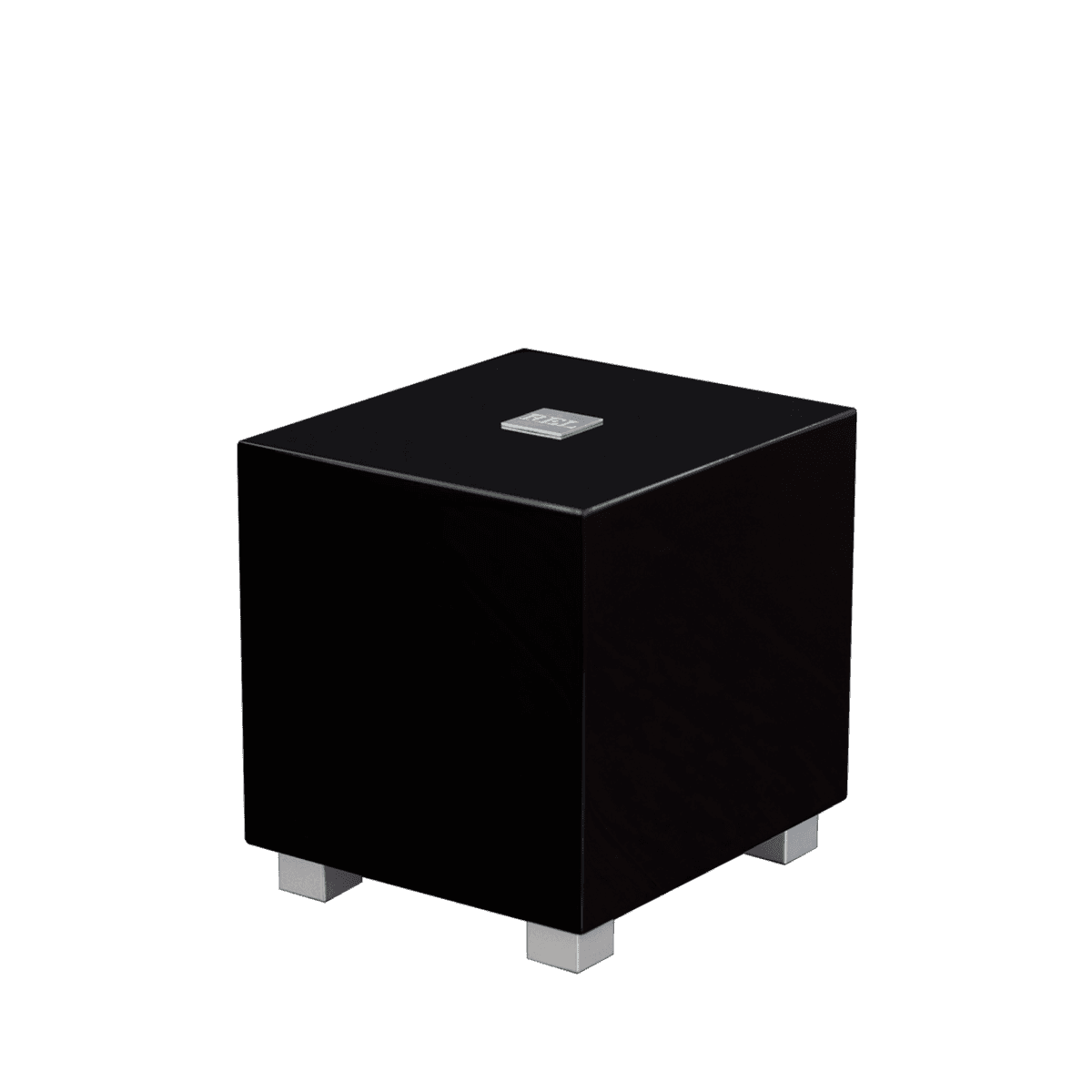
REL T/Zero MKIII
6.5″ sealed · 100 W RMS · down to ~37 Hz · ~$599
Turns a pair of bookshelf speakers or quality desktop monitors into a full-range system. It only reaches ~38 Hz, but for music that covers nearly everything, and the speed matches small drivers perfectly.
What makes a subwoofer musical
Blending beats depth
Music rarely goes below 35 Hz; almost every genre lives above it. A sub that integrates cleanly at 60–80 Hz improves every track, while an extra 5 Hz of extension improves almost none.
Sealed designs suit music
Sealed subs start and stop with the note. Ported designs trade some of that control for output — great for effects, less great for a walking bassline.
Cross over low if your speakers allow
With capable stereo speakers, a 60 Hz crossover keeps the sub out of the midbass where localisation and boom start. Small bookshelves still want the standard 80 Hz.
Level: when in doubt, too quiet
The correct music-sub level sounds almost too subtle — until it's switched off. If you can point at the sub with your eyes closed, it's too loud or crossed too high.
Frequently asked questions
What is the best small subwoofer for music?
For a music-only system where space is tight, a compact sealed sub is the sweet spot — it blends fast and disappears into the room. The SVS 3000 Micro is our top small pick (dual opposed 8-inch drivers in a toaster-sized box), and REL's sealed T-series is the classic music match thanks to its high-level connection. Both prioritise the tight, tuneful character music wants over the raw output a home-theatre sub chases.
Do I even need a subwoofer for music?
If your speakers are bookshelf-sized, yes — you're missing the bottom octave of most recordings. With full-range towers it's optional, but a good sub still relieves the towers of the deepest content and cleans up the midrange in the process.
What is REL's high-level connection and why do music listeners like it?
Instead of a line-level cable from a receiver, the sub taps the amplifier's speaker outputs, so it receives exactly the same signal — including the amp's character — as your main speakers. The result is a tonal match that makes blending noticeably easier in a stereo setup.
Is a home theatre subwoofer bad for music?
Not bad — just harder to blend. A big ported theatre sub can sound superb with music if it has DSP control and you set the crossover and level with restraint. The picks here simply make that blend easy from the start.