The best wireless subwoofers
“Wireless subwoofer” means two different things, and knowing which you need saves money and disappointment. True wireless subs (Sony, Samsung, Bose) pair automatically with the same brand's soundbar — no cables, no options, no mixing brands. Wireless-ready subs (SVS, Klipsch) are conventional hi-fi subwoofers that accept an add-on transmitter kit, giving you placement freedom with any receiver or amplifier.
Both still need a power outlet — wireless refers to the audio signal only. Picks below cover both camps.
Best true wireless subwoofer

Sony SA-SW5
7.1″ passive-radiator · 300 W RMS · down to ~28 Hz · ~$700
The strongest bass module in any soundbar ecosystem: 300 watts and real depth that turns Sony's excellent HT-A bars into a legitimate home theatre. If you own the soundbar, this is the upgrade.
Best true wireless for Bose
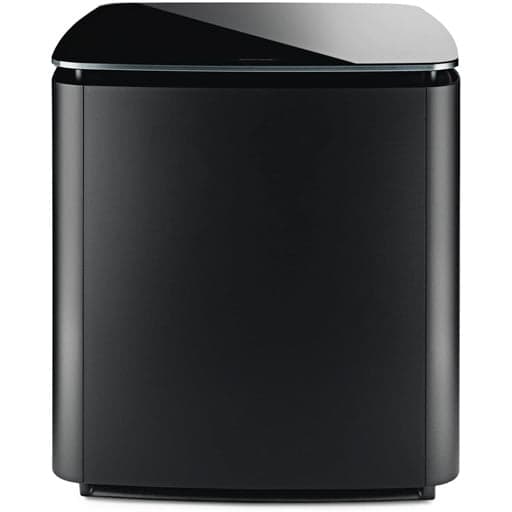
Bose Bass Module 700
10″ ported · 300 W RMS · down to ~30 Hz · ~$849
Deep, room-filling, and elegant enough to sit in view. Bose's pairing is the most painless in the business — power it on and it's working.
Best budget true wireless
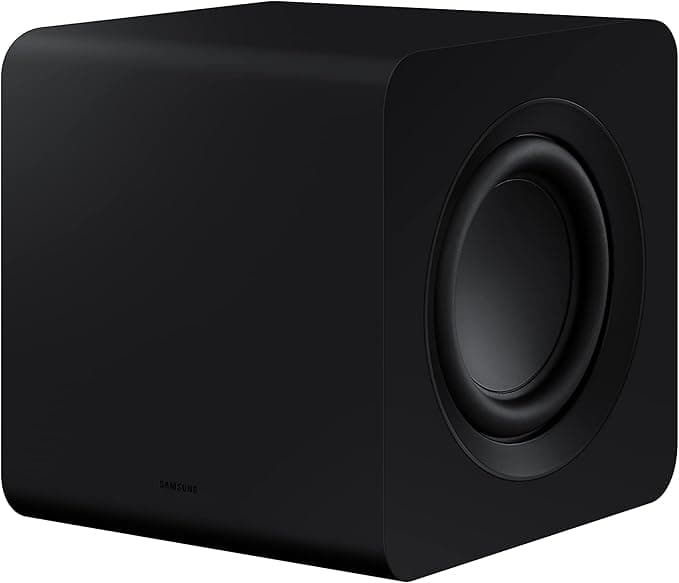
Samsung SWA-W510
6.5″ passive-radiator · 200 W RMS · down to ~42 Hz · ~$300
The affordable way to give a sub-less Samsung soundbar an actual low end. Auto-pairs, and does its job without fuss.
Best wireless-ready subwoofer
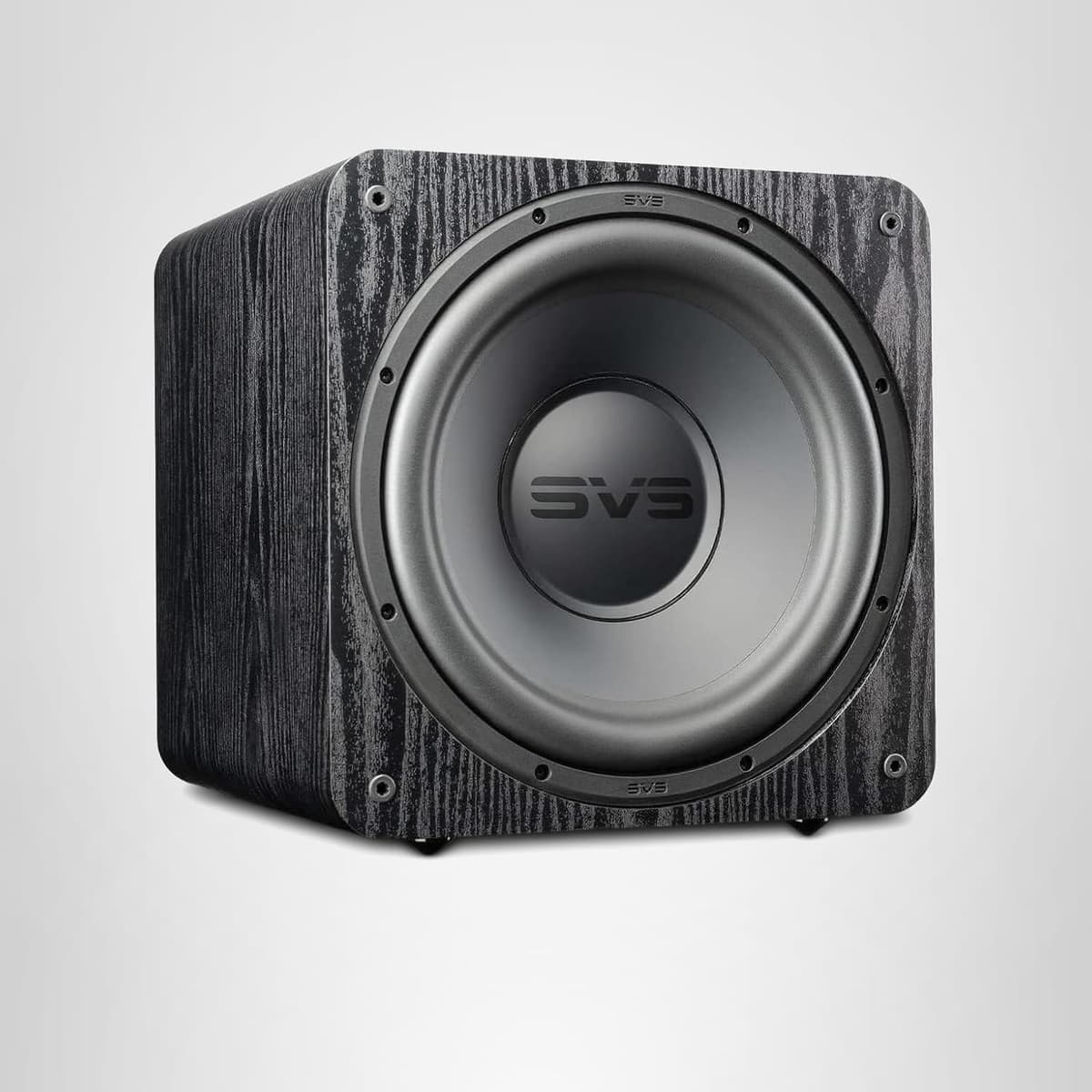
SVS SB-1000 Pro
12″ sealed · 325 W RMS · down to ~20 Hz · ~$600
Add SVS's SoundPath wireless kit and you get something no soundbar sub offers: audiophile-grade bass placed wherever the room sounds best, free of the cable run that usually dictates placement.
What to know before going wireless
Brand lock is absolute with true wireless
A Samsung sub will not pair with a Sony bar, full stop. Buy within the ecosystem you own — or plan the whole system at once.
Wireless kits add slight latency
Adapter kits introduce a few milliseconds of delay. Good ones stay low enough not to matter; your receiver's distance setting absorbs the rest. It's a non-issue in practice — but buy the sub brand's own kit.
The power cable still exists
Plan placement around an outlet. “Wireless” buys you freedom from the long signal run back to the receiver — often the awkward one — not from power.
Wired still wins on pure value
If a cable run is easy in your room, skip the wireless premium and put the money into the sub itself. Wireless is for when placement or tidiness genuinely demands it.
Frequently asked questions
Do wireless subwoofers sound worse than wired?
No — modern wireless links carry the signal transparently, and bass frequencies are forgiving of the small latency involved. The audible differences between subs come from the driver, cabinet, and amp, not the transmission method.
Can I add a wireless subwoofer to any soundbar?
Only the same brand's matching module, and only if the soundbar supports one. Soundbar ecosystems are closed — check compatibility for your exact model before buying anything.
Can I make a normal subwoofer wireless?
Yes: wireless adapter kits (like SVS SoundPath) connect any powered sub to your receiver without a signal cable. You need a power outlet at the sub's position, and it's worth buying a quality kit to keep latency negligible.