The best compact subwoofers
Physics taxes small subwoofers hard: deep bass wants displacement, and displacement wants cone area and cabinet volume. Most compact subs dodge the tax by simply not playing low. The picks here pay it properly instead — with long-throw drivers, serious amplification, and DSP that squeezes honest extension from small boxes.
Expect to pay more per hertz than you would for a full-size sub. That's the deal: you're buying engineering that lets the box vanish into the room.
Best compact subwoofer overall
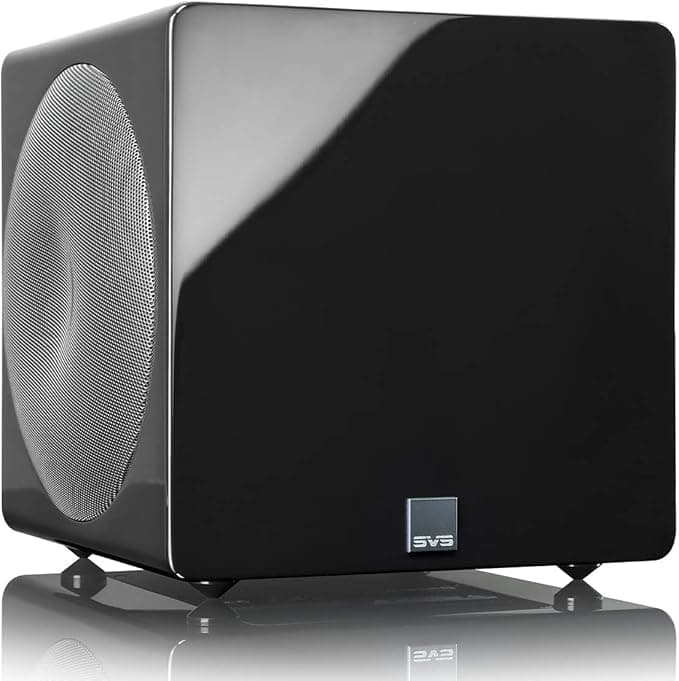
SVS 3000 Micro
8″ sealed · 800 W RMS · down to ~23 Hz · ~$700
An 11-inch cube that behaves like a good 12-inch sub down to the mid-20s. The dual opposed drivers mean no cabinet walk, no floor buzz — it's the compact sub without the compact compromises.
Smallest serious subwoofer
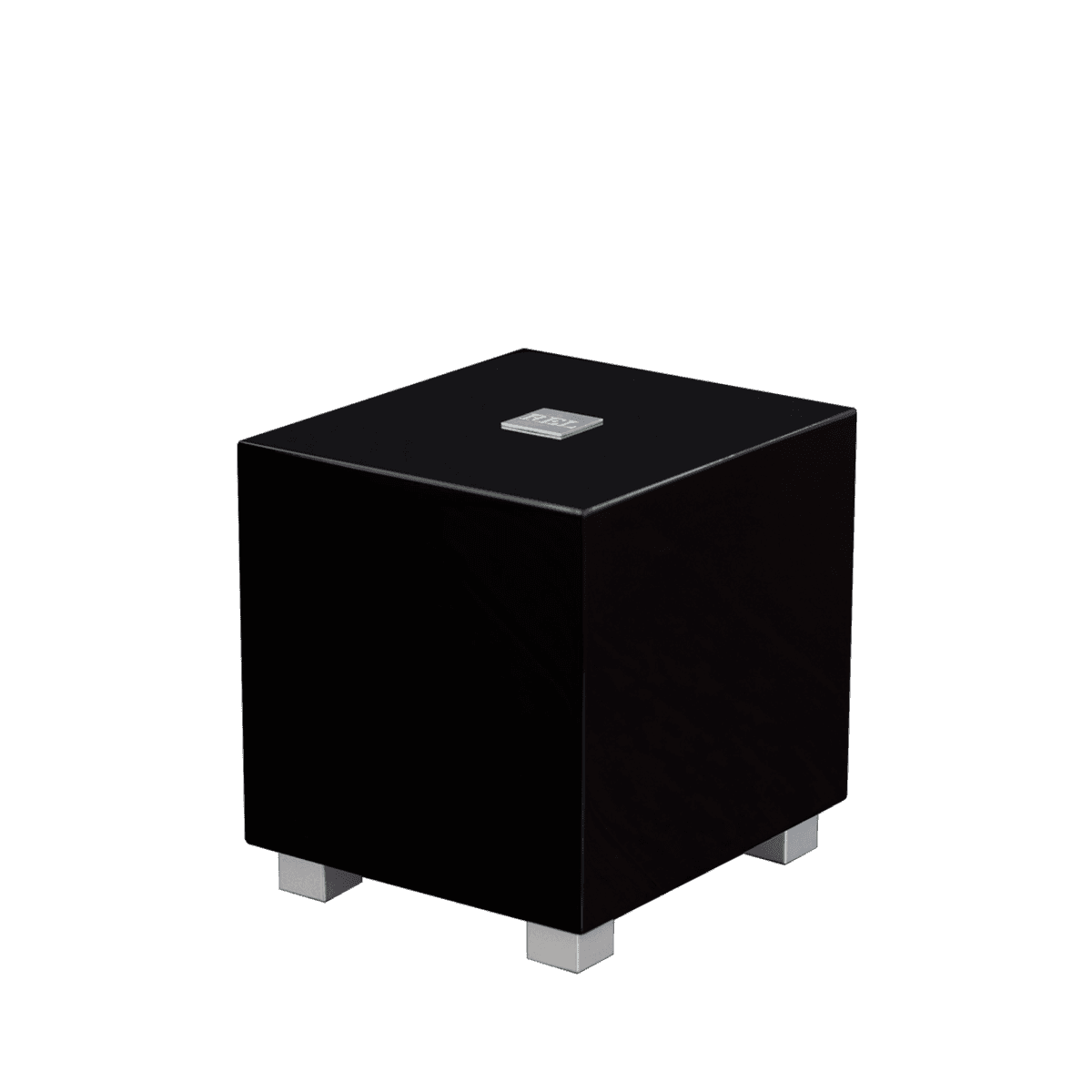
REL T/Zero MKIII
6.5″ sealed · 100 W RMS · down to ~37 Hz · ~$599
Genuinely tiny — 8.5 inches square — and genuinely good, provided you feed it music rather than blockbuster LFE. For desks and small stereo systems it's in a class of one.
Best compact for Bose systems
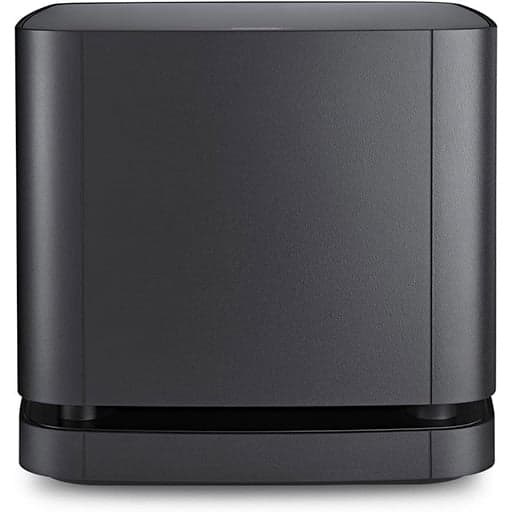
Bose Bass Module 500
8″ sealed · 125 W RMS · down to ~40 Hz · ~$549
A 10-inch fabric-wrapped cube that disappears next to a sofa and pairs wirelessly with Bose soundbars. Not the deepest here, but the most invisible.
Best almost-compact pick
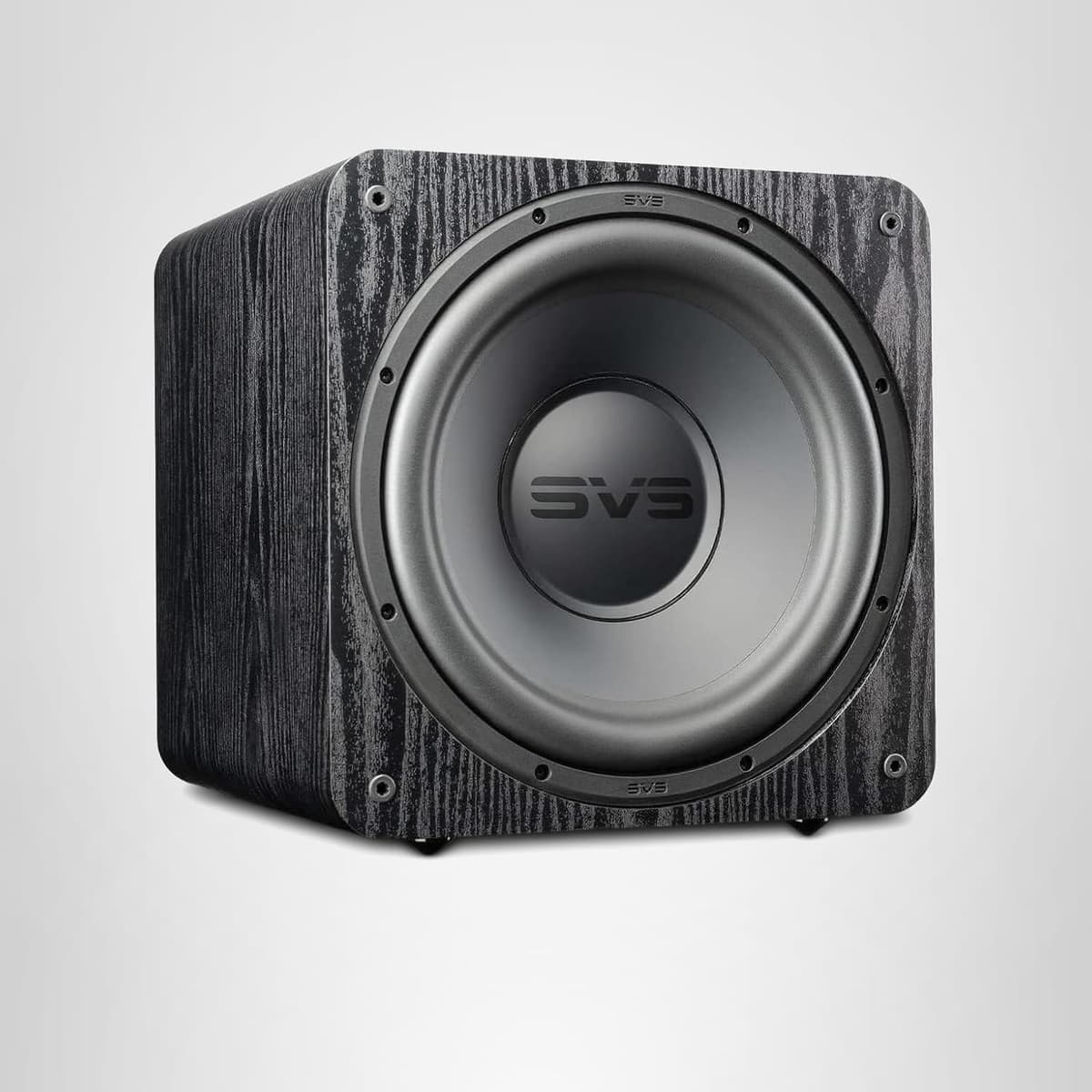
SVS SB-1000 Pro
12″ sealed · 325 W RMS · down to ~20 Hz · ~$600
One size up from truly compact (a 13.5-inch cube), but the jump in depth and output per dollar is so large it deserves the comparison before you commit to smaller.
Buying small without sounding small
Check the -3 dB point, not the driver size
Compact subs vary wildly: some reach 23 Hz, others give up at 45. The extension spec tells you which tax the designer paid — output or depth.
Dual opposed drivers are worth seeking out
Two drivers firing in opposite directions cancel each other's cabinet forces. In a light, small enclosure this is the difference between clean bass and a box that buzzes across the floor.
Small sub + small room is the natural pairing
Room gain in a small room can add back much of what a compact sub gives up below 30 Hz. The same sub in a big open space will sound thin — match the tool to the job.
Placement flexibility is the hidden feature
A compact sub can go where response is best — on a shelf, beside a desk, mid-wall — spots a 60-pound box can't. Use that freedom; it's worth real decibels of smoothness.
Frequently asked questions
Can a small subwoofer really produce deep bass?
Yes, within limits: modern long-throw drivers and kilowatt-class amplifiers let boxes like the SVS 3000 Micro reach the mid-20 Hz range cleanly. What small subs can't do is produce that depth at high volume in large rooms — displacement still rules there.
Are compact subwoofers good for apartments?
They're often the ideal apartment choice — controlled output, easy decoupling, flexible placement. See the apartment guide for the picks and the setup tricks that keep neighbours happy.
Why do compact subwoofers cost more than bigger ones?
Because making a small box play low requires exotic drivers, big amplifiers, and DSP — engineering that costs more than plywood volume. You're paying to break (bend, really) the size-versus-depth rule.